
Ear pinning, also known as otoplasty, is a surgical procedure that can improve the shape, position, or proportion of the ear. It can correct a defect in the ear structure that is present at birth, or it can treat misshapen ears caused by injury. Dr. Lori Cherup at Radiance Plastic Surgery in Bridgeville, PA, can help determine if you or your child are a good candidate for the procedure and help gain back confidence.
Visit our gallery for before and after photos of our patients! Or, schedule your consultation with Dr. Cherup.
Otoplasty Procedure
If you have ears that stick out too far from the side of the head or if the ears have an unusual or undesirable shape, you could be an ear pinning candidate.
The operation is usually performed on an outpatient basis under sedation and local or general anesthesia. The ears are usually bandaged with a dressing that wraps around the head in a turban-like fashion for several days. Initial mild postoperative discomfort is easily controlled with oral medication. The procedure is appropriate beginning at age 5 or 6 or at any time thereafter.
The ears usually look “normal” within 10-20 days. Usually, a thin stocking cap or headband is worn at night for 3 weeks after the first dressing is removed to protect the ears. Contact sports should be avoided for about a month.
Benefits of Otoplasty
Candidates for Otoplasty
Otoplasty may be appropriate for children, teens, and adults who are dissatisfied with the size, shape, position, or prominence of their ears. Good candidates may include individuals who:
- Have ears that protrude noticeably from the head
- Have uneven or asymmetrical ears
- Are concerned about the size or shape of their ears
- Have a congenital ear difference or structural concern
- Are in generally good overall health
- Are realistic about the results of surgery
- Are bothered or self-conscious about the appearance of their ears
- Can follow postoperative care and recovery instructions
For children, the ears should be sufficiently developed, and the child should be able to understand and cooperate with the recovery process. During a consultation, your surgeon can evaluate your ears, discuss your goals, and determine whether otoplasty is an appropriate treatment option.
What to Expect During Your Otoplasty Consultation
During your consultation, Dr. Cherup will evaluate your ears and discuss what you would like to change. Your visit may include:
- A review of your concerns and goals
- An examination of ear shape, position, and symmetry
- A discussion of your medical history
- An explanation of the recommended surgical technique
- Information about anesthesia, recovery, risks, and expected results
For younger patients, parents can also ask questions about timing, aftercare, and the recovery process.
Otoplasty Scars and Incision Placement
Otoplasty incisions are typically placed in natural creases or behind the ears to help keep scars discreet.
Through these incisions, Dr. Cherup can reshape or reposition the cartilage for a balanced appearance. While some scarring is expected with any surgery, scars generally become less noticeable as they mature.
Following postoperative instructions and caring for the incisions properly can support healthy healing.
Otoplasty vs. Earlobe Repair
Otoplasty and earlobe repair both address cosmetic concerns involving the ears, but they treat different areas.
- Otoplasty changes the overall shape, position, projection, or symmetry of the ears.
- Earlobe repair focuses specifically on the soft tissue of the earlobe, such as stretched piercing holes, splits, tears, or elongated lobes.
The right procedure depends on the concern being treated, and in some cases, both may be addressed as part of a personalized treatment plan.
Otoplasty Potential Complications
All surgical procedures carry some risk, though serious complications with otoplasty are uncommon. Dr. Cherup will review your specific risks and suitability during your consultation.
Possible complications include:
Otoplasty is an elective procedure, but when performed on children, insurance may cover the cost. Our staff can help you verify your benefits.
Otoplasty Recovery Tips
If you experience excessive pain or bleeding, contact our office immediately at 412-220-8181 (available day or night).
Price for Otoplasty in Bridgeville
| Surgery | Surgeons Fee Range | Operating Room Fee Range $ | Anesthesia Fee Range | Appx Range |
|---|---|---|---|---|
| Otoplasty* | 3400.00 – 4500.00 | 1350.00 – 1450.00 | 950.00 – 1050.00 | 5700.00 – 7000.00 |
* = Insurance may cover a portion of the costs
Why Choose Radiance Plastic Surgery for Otoplasty
When it comes to reshaping or refining the ears, precision and experience make all the difference. At Radiance Plastic Surgery, Dr. Lori Cherup, a board-certified plastic surgeon with over 35 years of experience, combines technical skill with an artistic eye to create natural, symmetrical results that enhance your facial balance.
Every otoplasty is customized to your anatomy and goals. Whether correcting prominent ears, repairing injury, or improving shape, Dr. Cherup takes a thoughtful, detail-oriented approach to achieve results that look harmonious and refined. All procedures are performed in our JCAHO-certified facility, where patient comfort, safety, and satisfaction are always top priorities.
Patients throughout Bridgeville and the Pittsburgh area choose Dr. Cherup for her honesty, compassion, and consistent ability to help patients feel more confident in their appearance without overcorrection or artificial results.
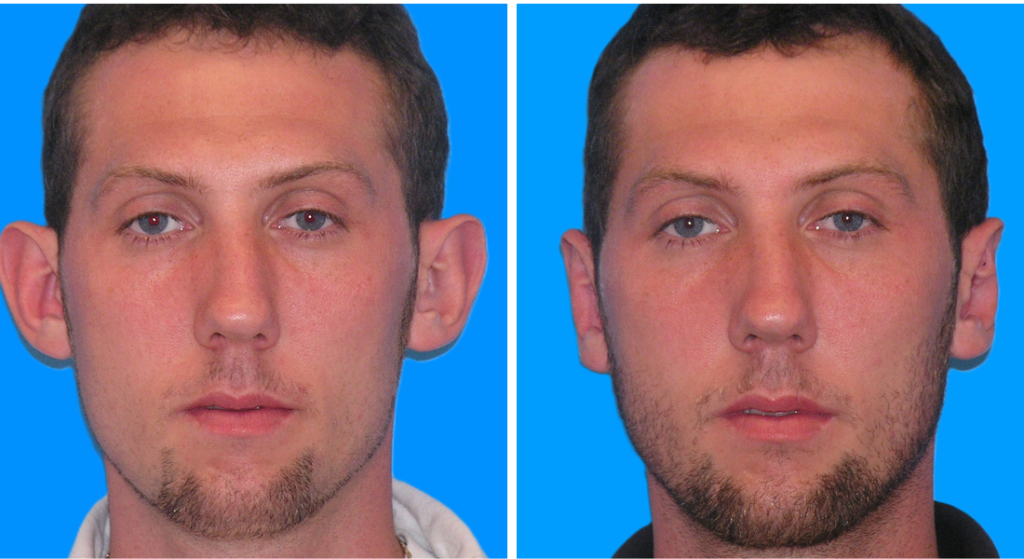
Featured Otoplasty
Otoplasty (Ear Surgery) Photo Gallery
Frequently Asked Questions
Otoplasty is generally well tolerated, especially with local anesthesia with sedation or general anesthesia. Right after surgery, patients may have mild to moderate discomfort, tightness, or soreness around the ears, which is typically manageable with pain medication and resolves within a few days.
Initial recovery is about one to two weeks. During this time, swelling and bruising gradually subside. Most patients feel back to normal within a couple of weeks, although subtle swelling may take a few months to resolve fully.
Many patients return to work, school, or light daily activities within five to seven days. However, it’s important to avoid strenuous activities or anything that could impact the ears for several weeks.
Yes, otoplasty results are considered permanent. The cartilage is reshaped and secured during surgery, so the ears typically maintain their new position and contour long-term.
Preparation may include stopping certain medications (like blood thinners), avoiding smoking, arranging for transportation after surgery, and following your surgeon’s pre-operative instructions. You may also be asked to wash your hair the night before and avoid eating or drinking for a certain period before surgery.
Yes, otoplasty can be performed on just one ear if only one side requires correction. However, surgeons often assess both ears to ensure symmetry and balanced results.
Patients should sleep on their back with their head elevated for the first week or two. This helps minimize swelling and pressure on the ears. Avoid sleeping on your sides until your surgeon says it’s safe.
Children should avoid sports and physical activities for at least two to four weeks, and avoid contact sports for four to six weeks or longer, depending on healing.
Temporary numbness around the ears is common and usually resolves within a few weeks. In some cases, mild numbness can last a few months as the nerves heal.
Most children are good candidates once their ears are fully developed, typically between ages 5 and 7. Readiness also depends on emotional maturity; your child should be able to understand the procedure and follow post-operative care instructions.
No, you are not too old. Otoplasty can be performed on healthy adults of all ages. Many adults choose ear surgery later in life to improve confidence and achieve long-desired results.